
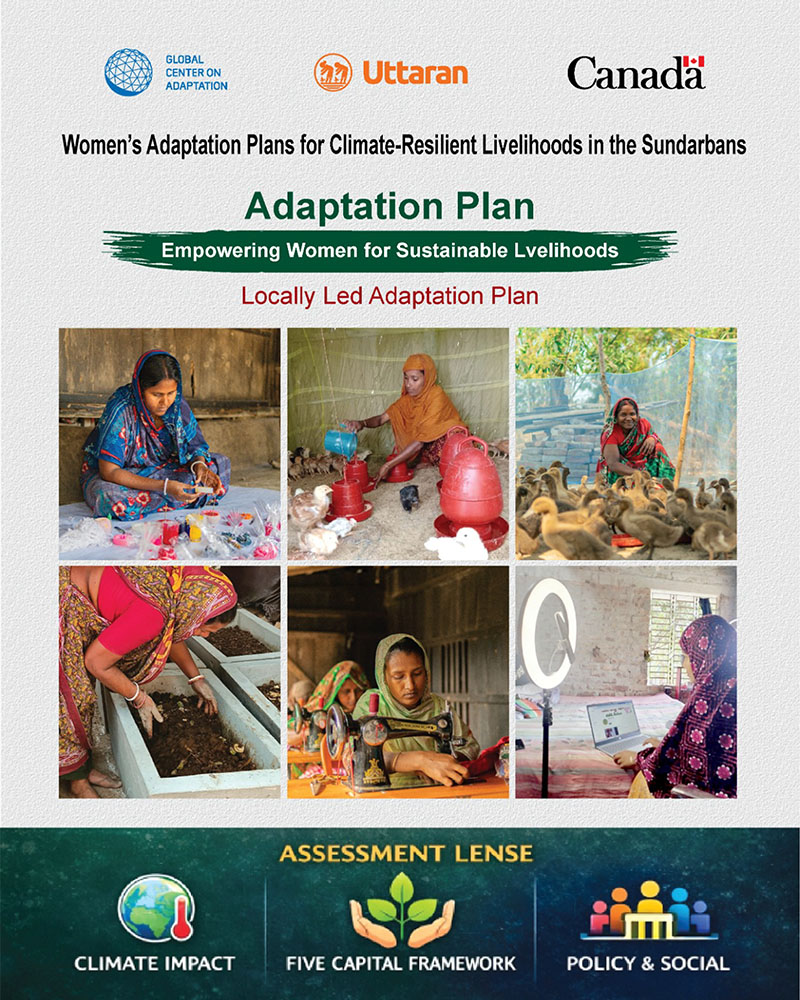
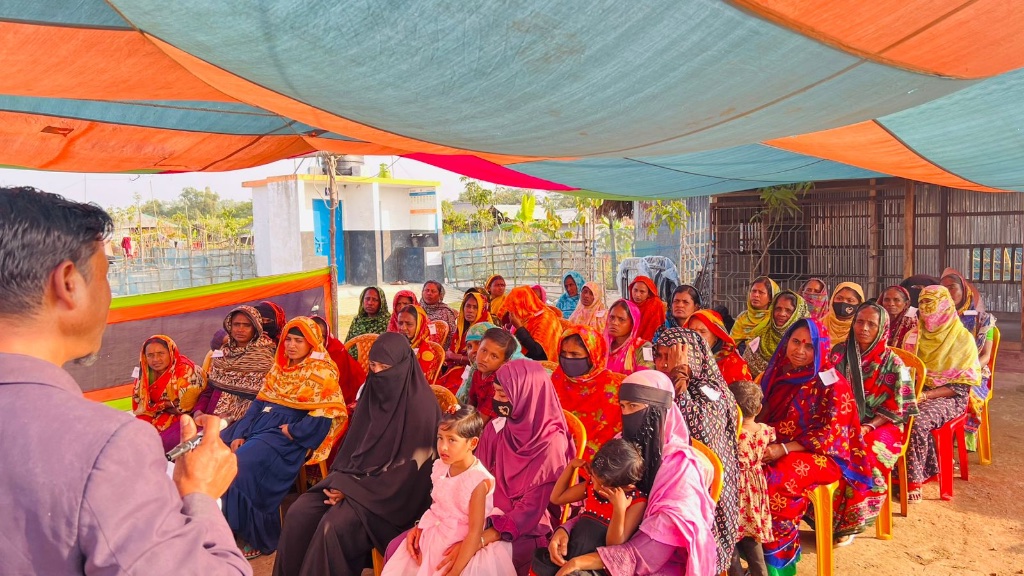
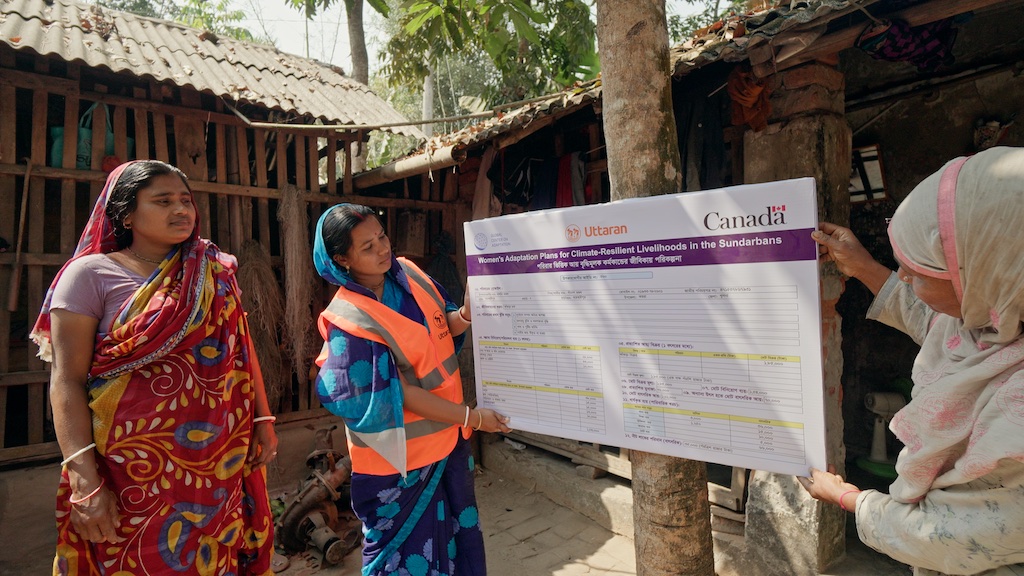
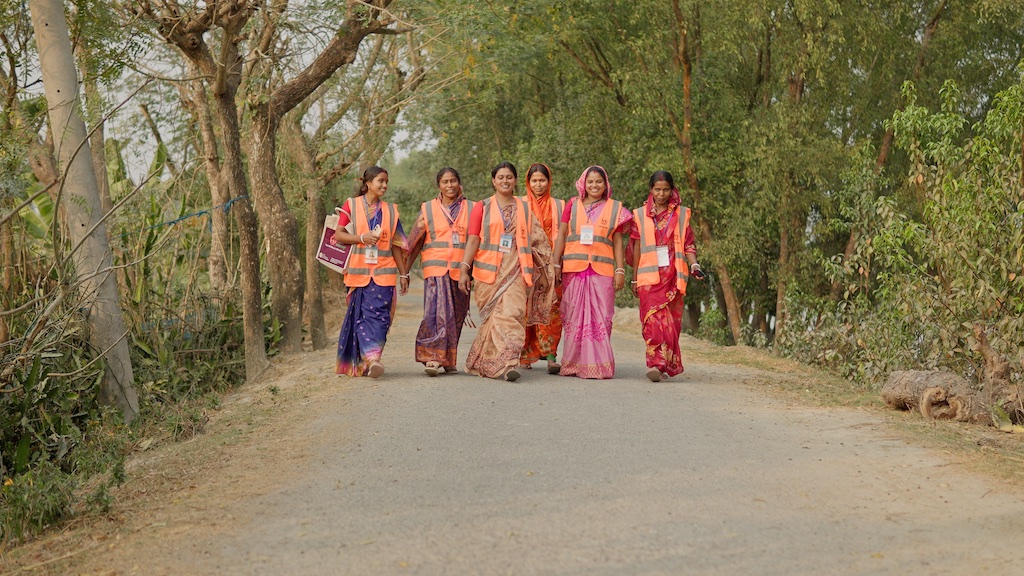
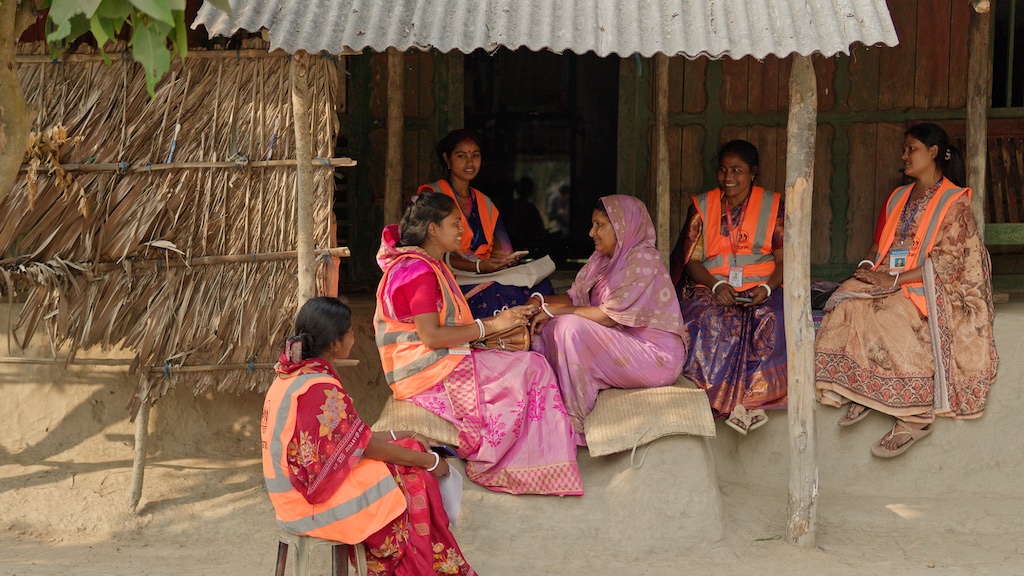
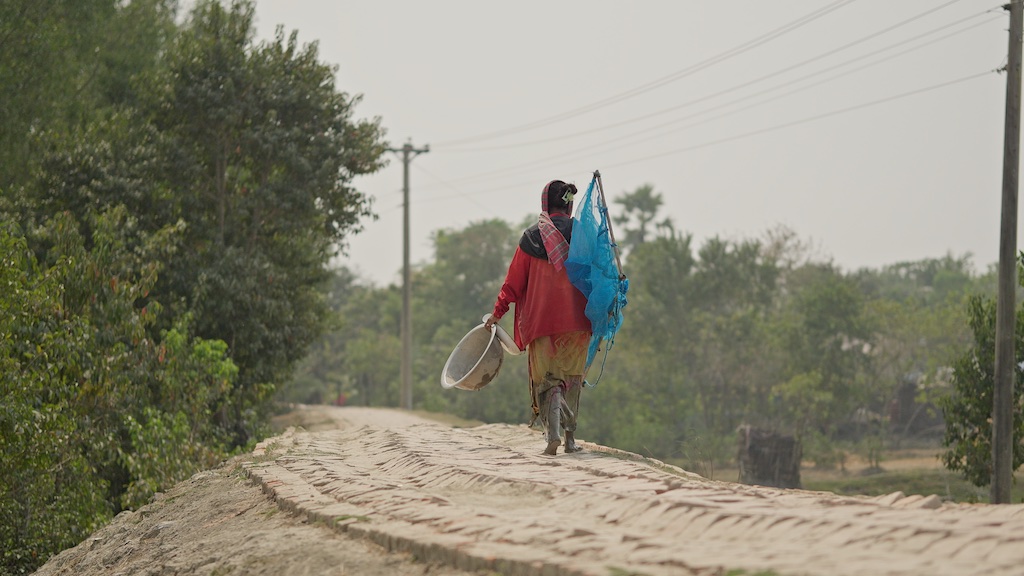
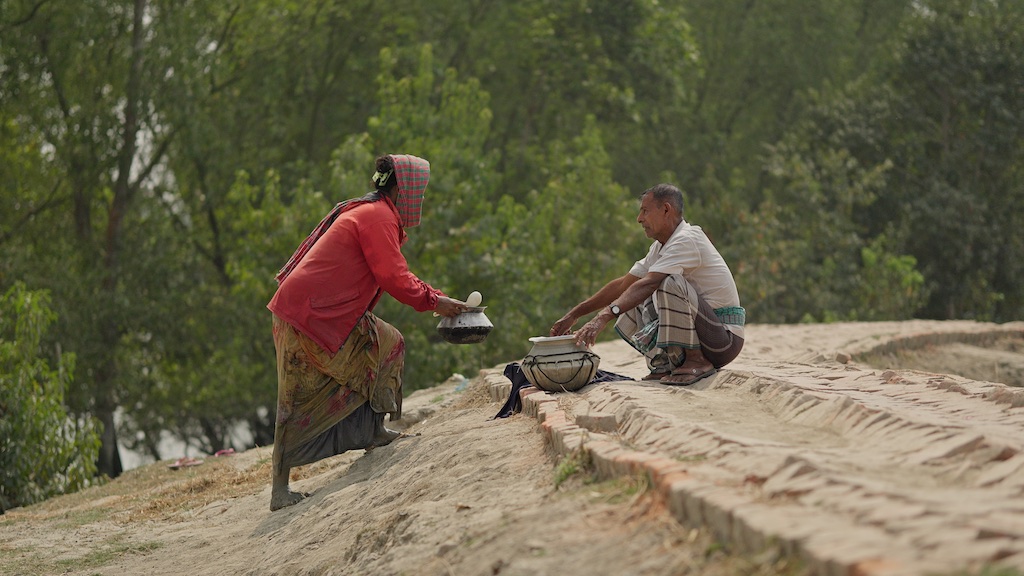
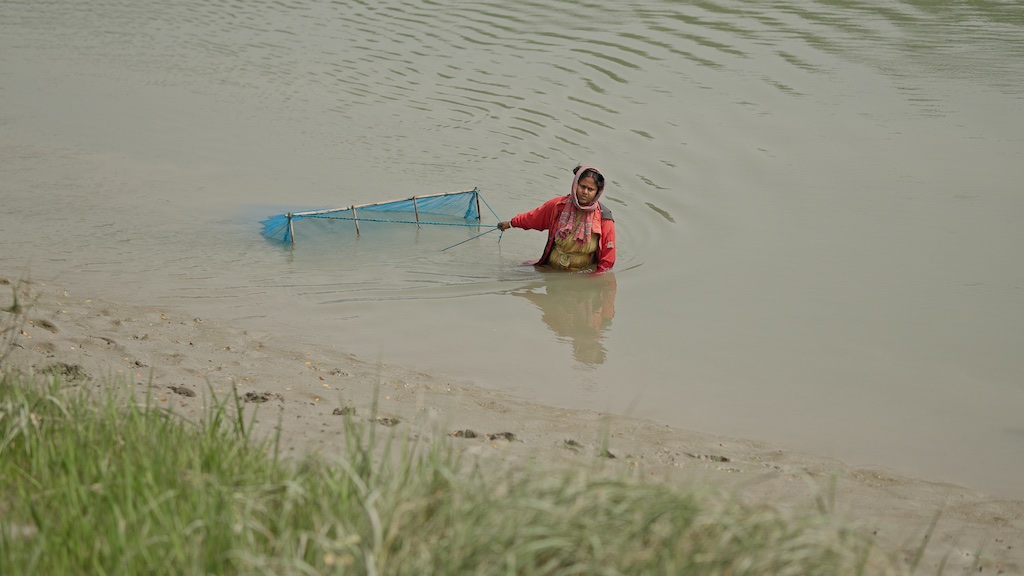
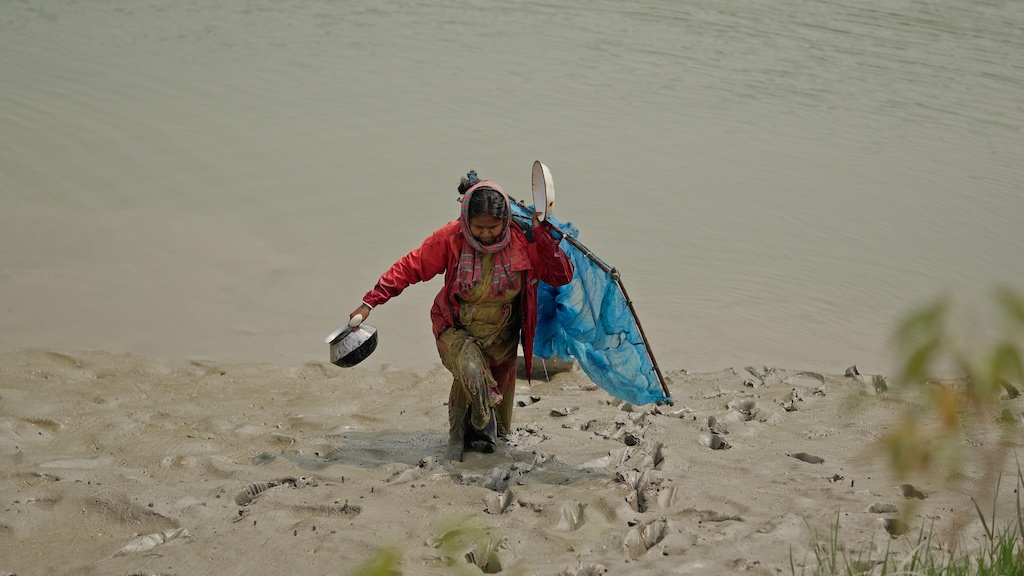
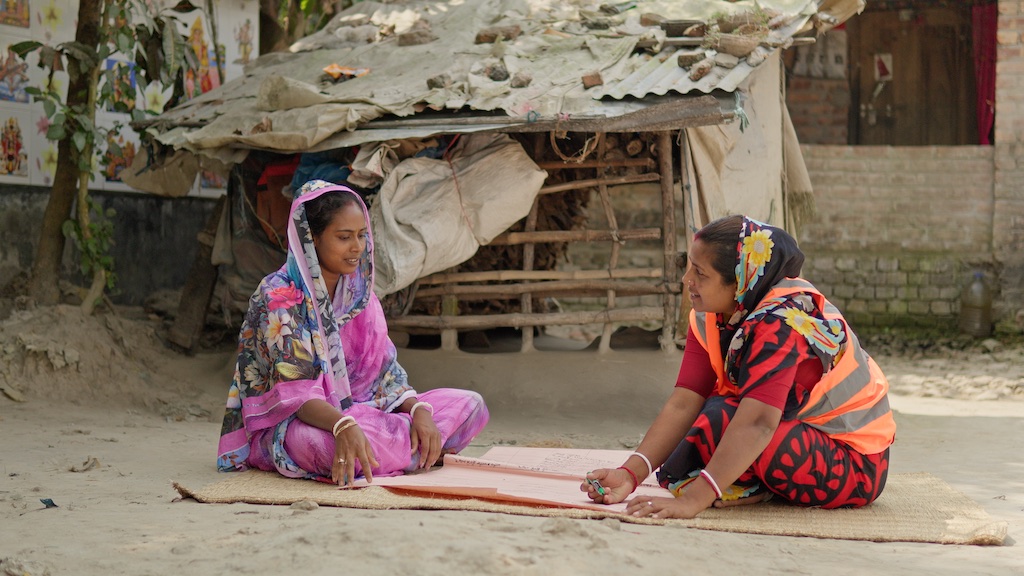
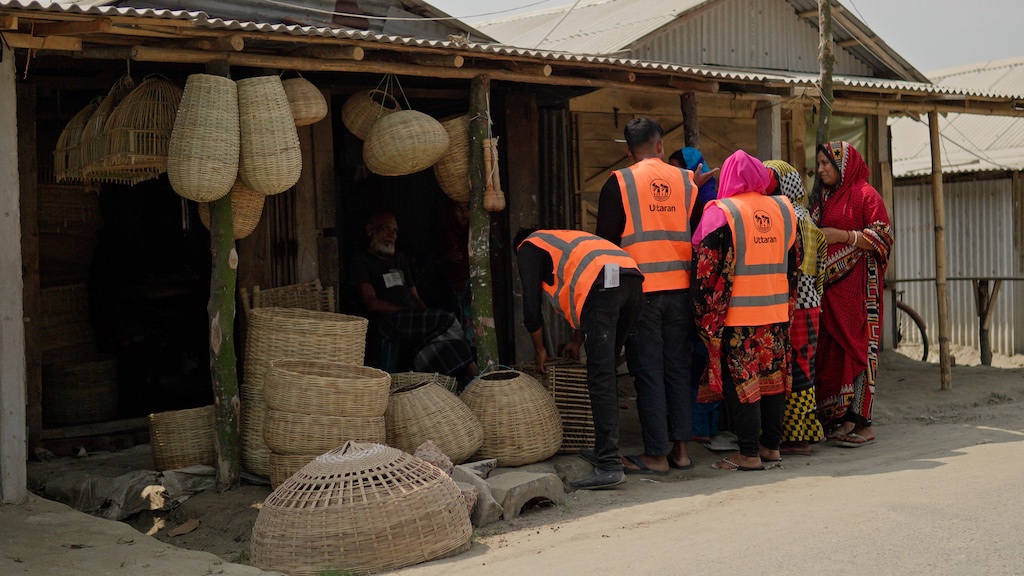
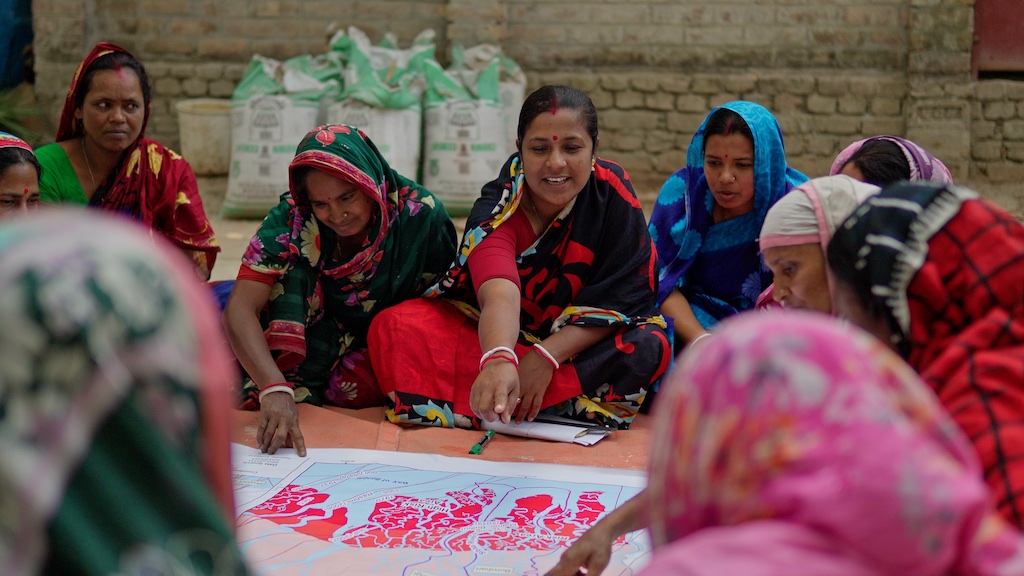
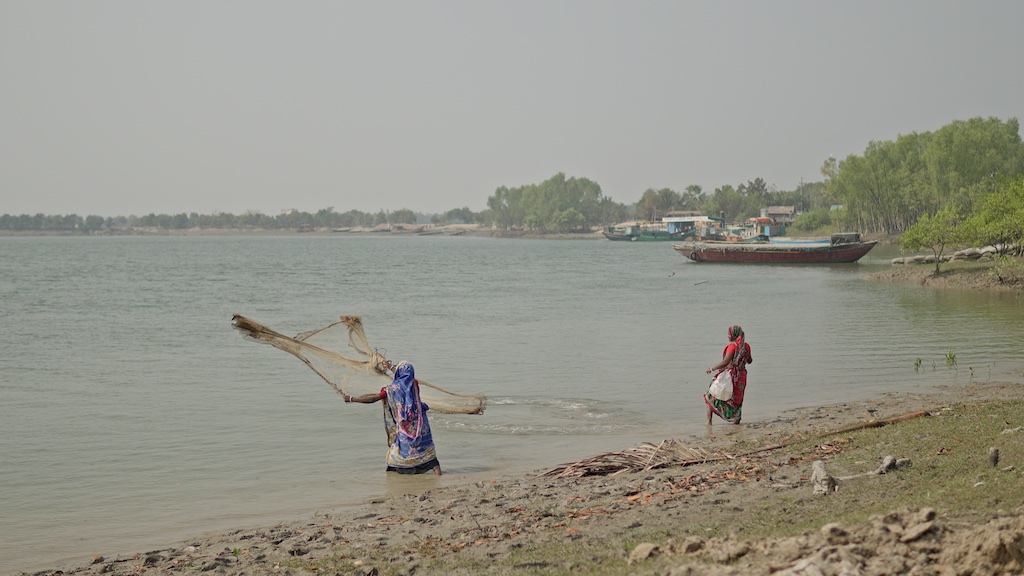
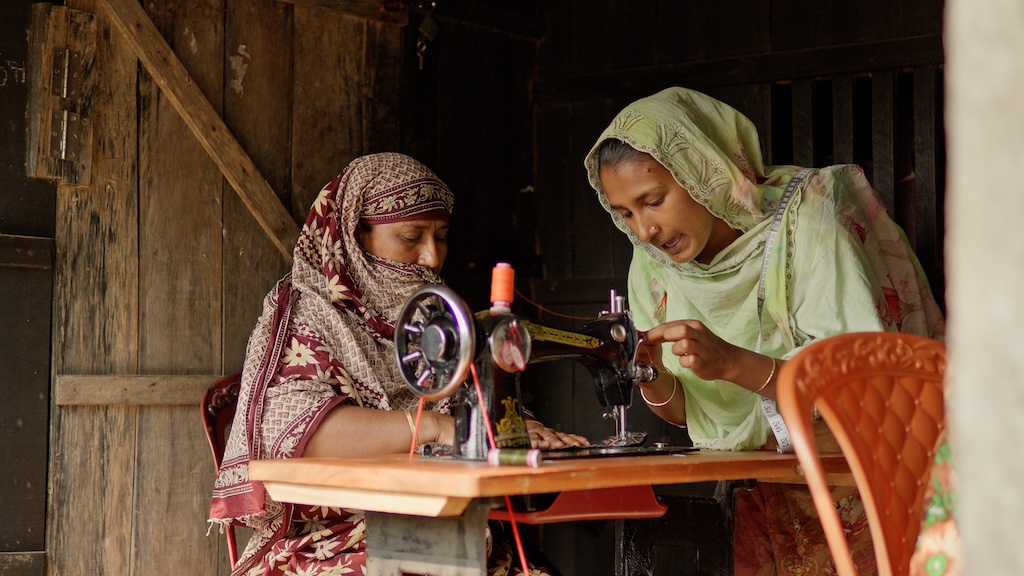
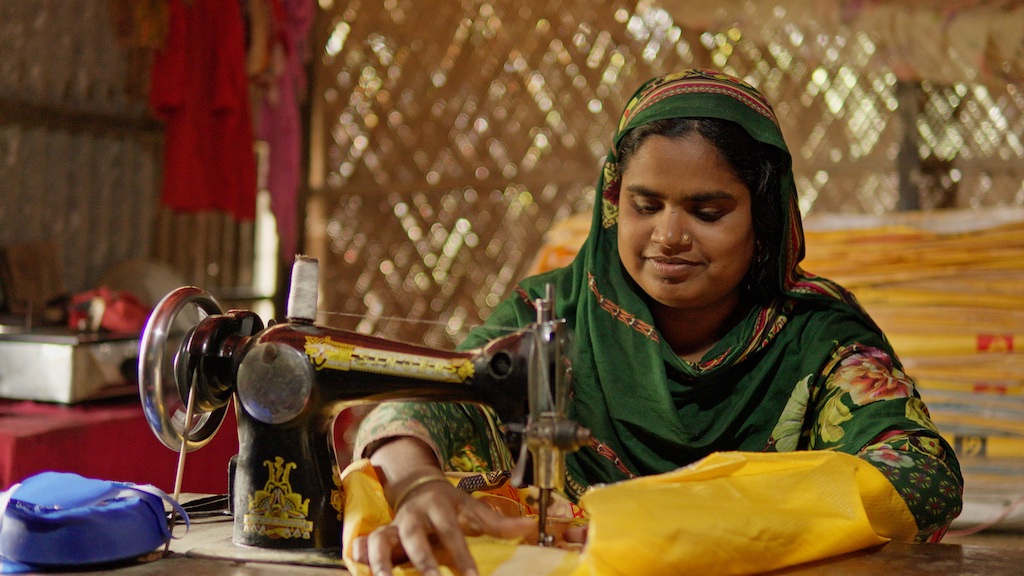
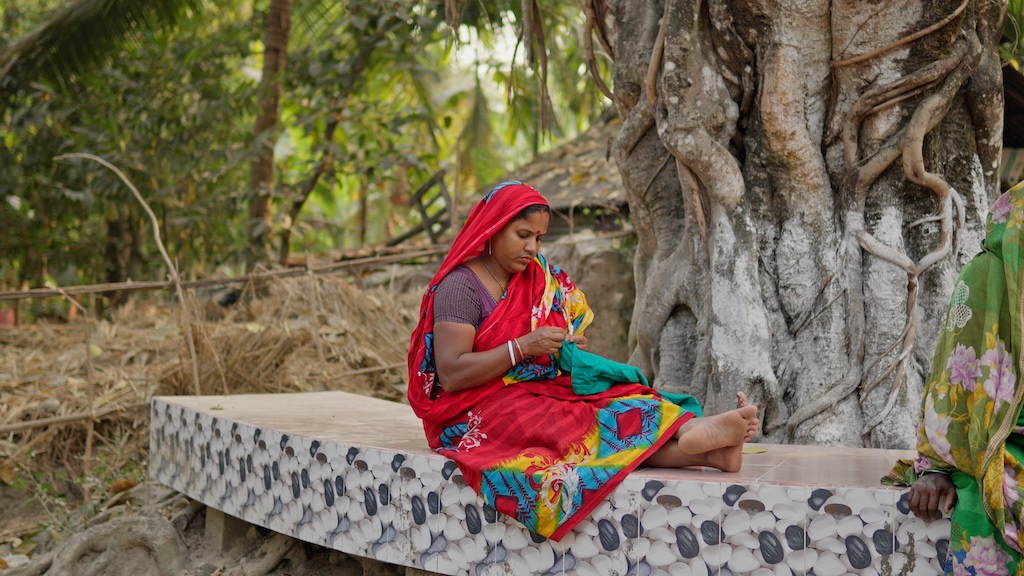
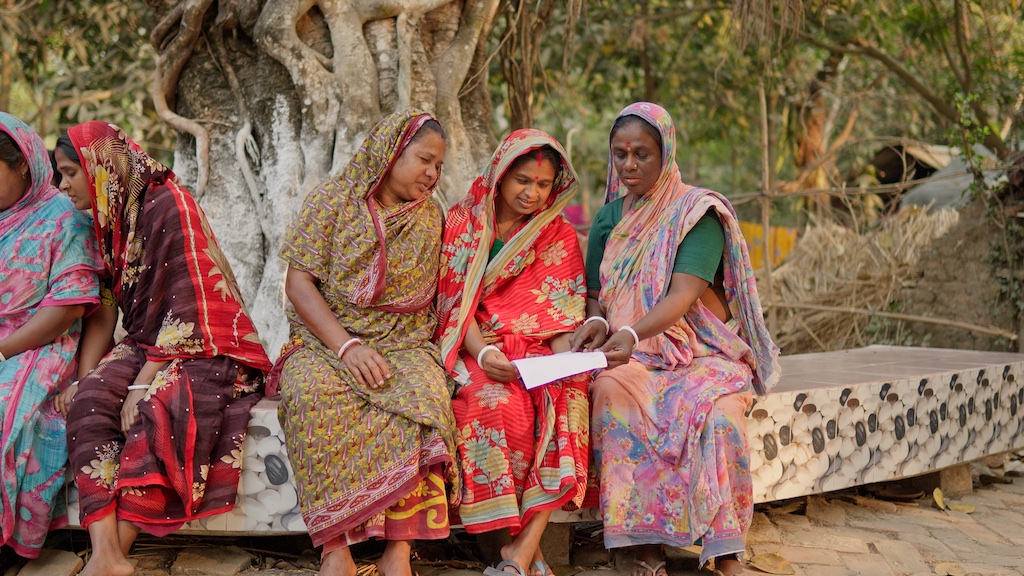
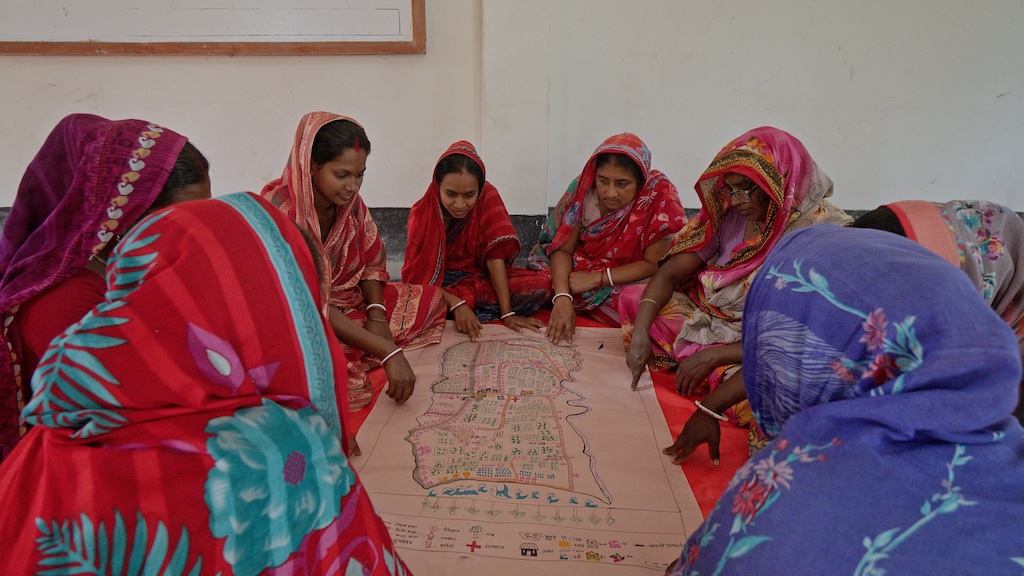
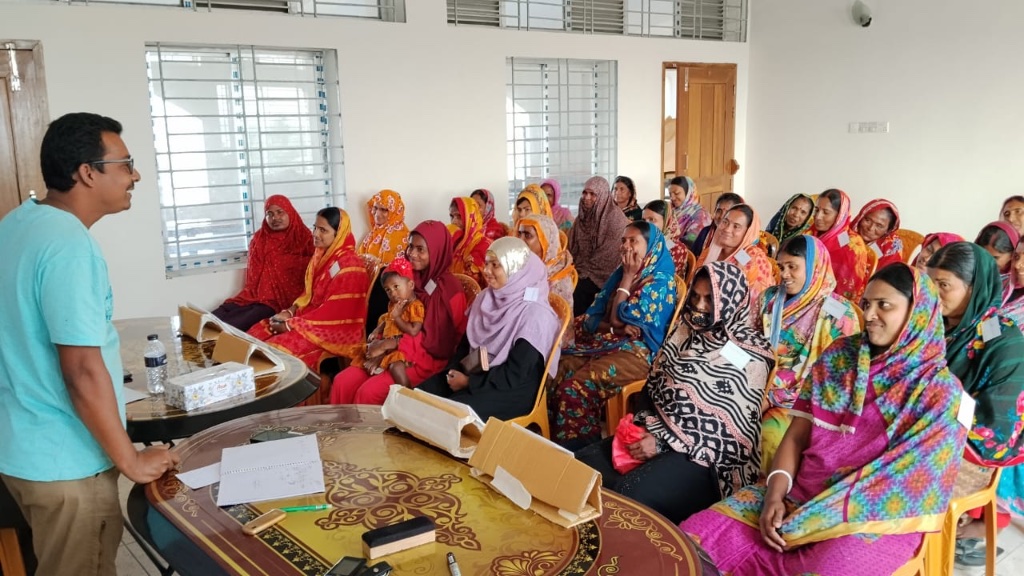
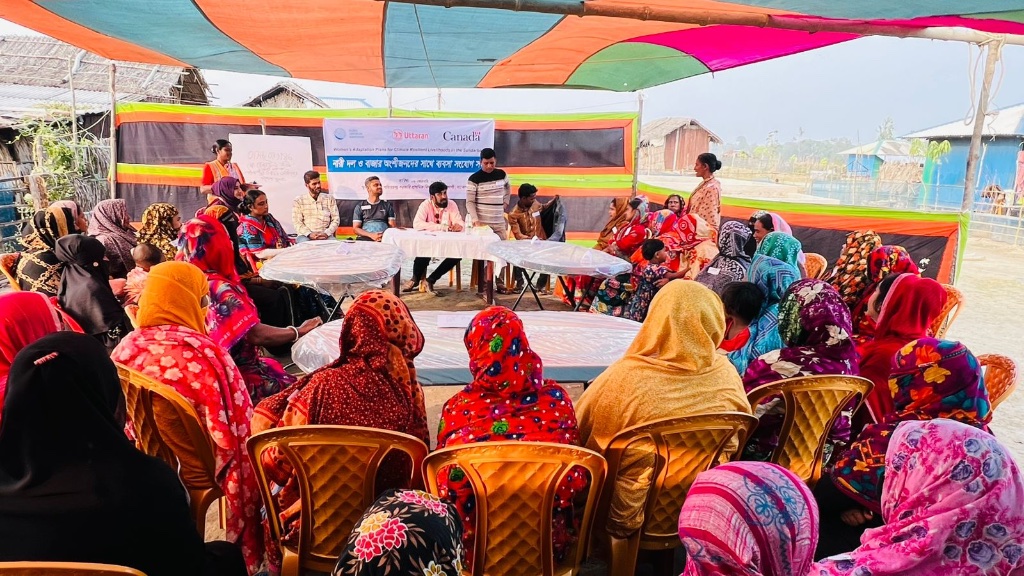
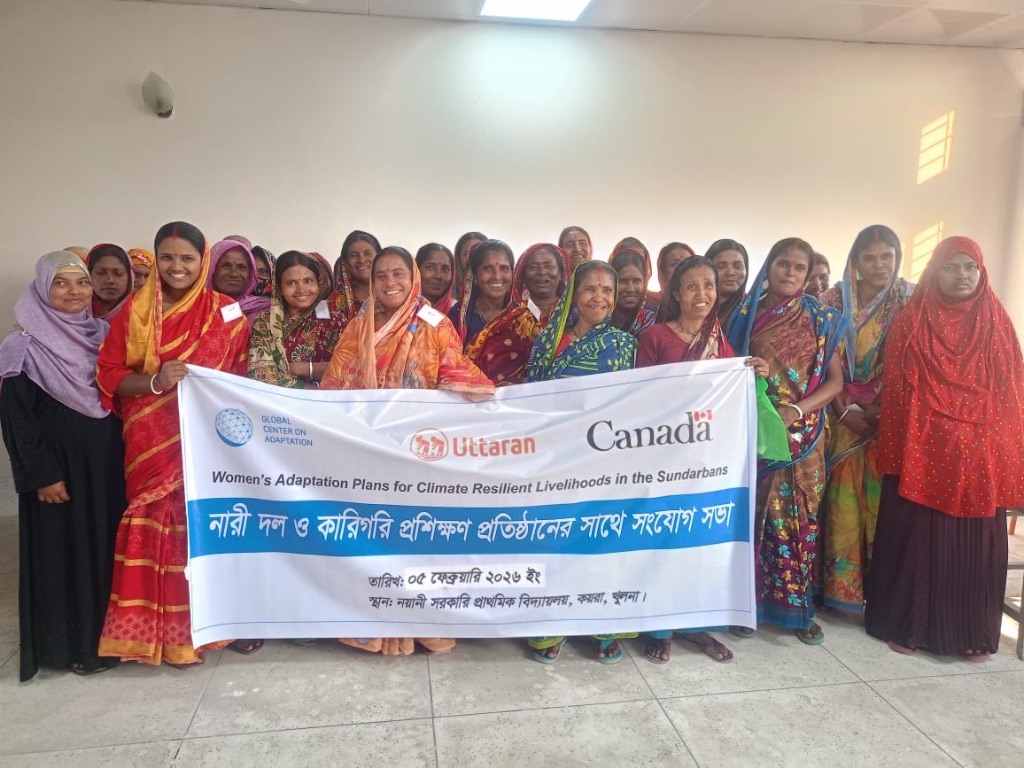
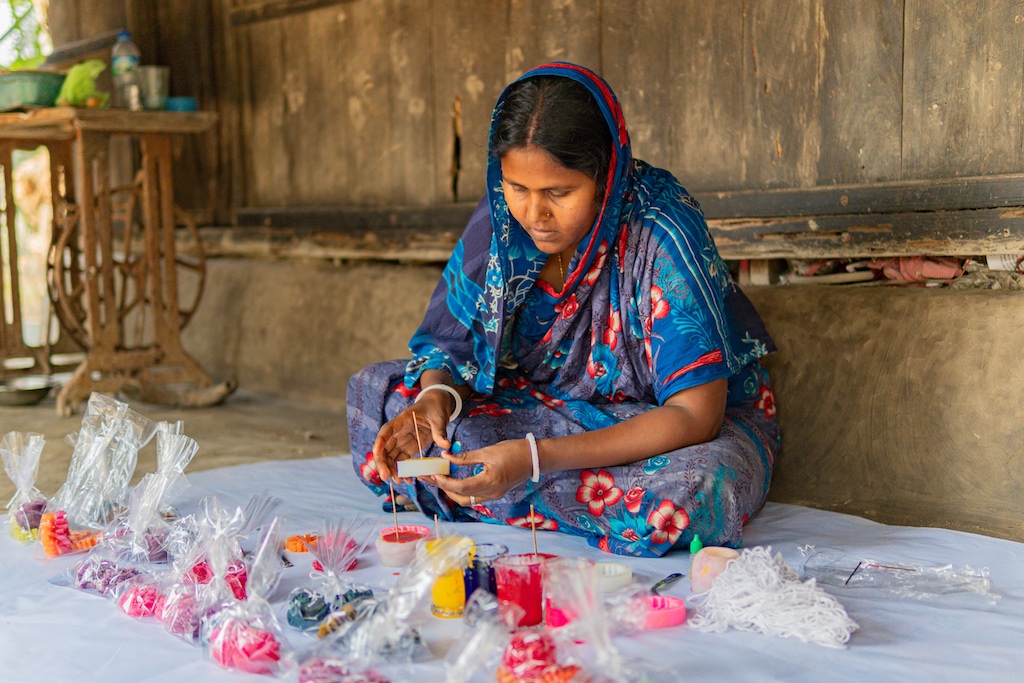
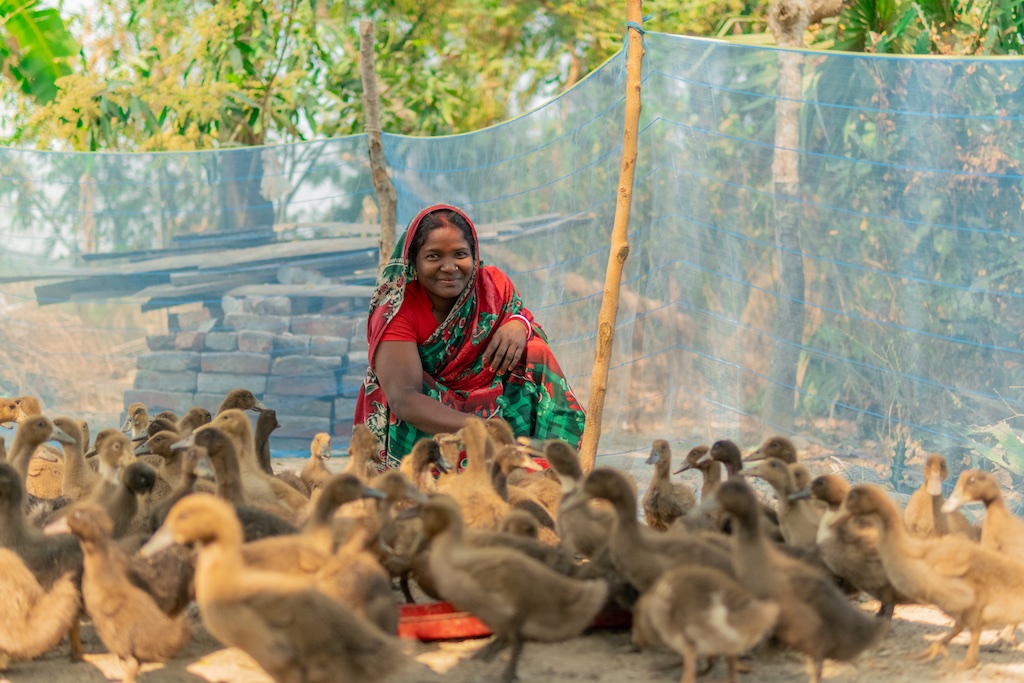
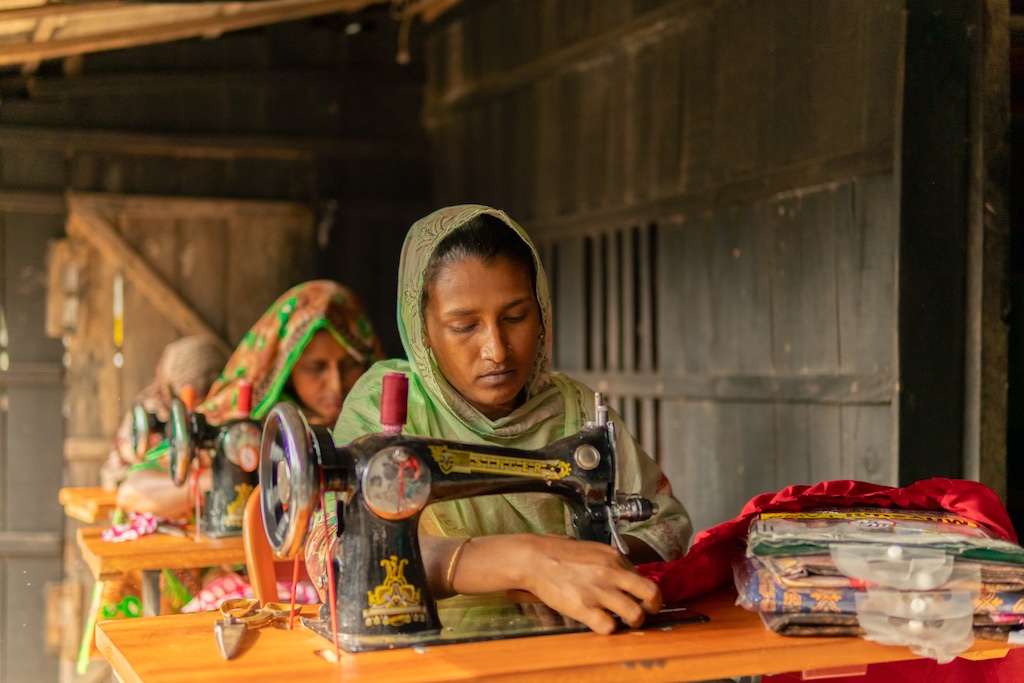
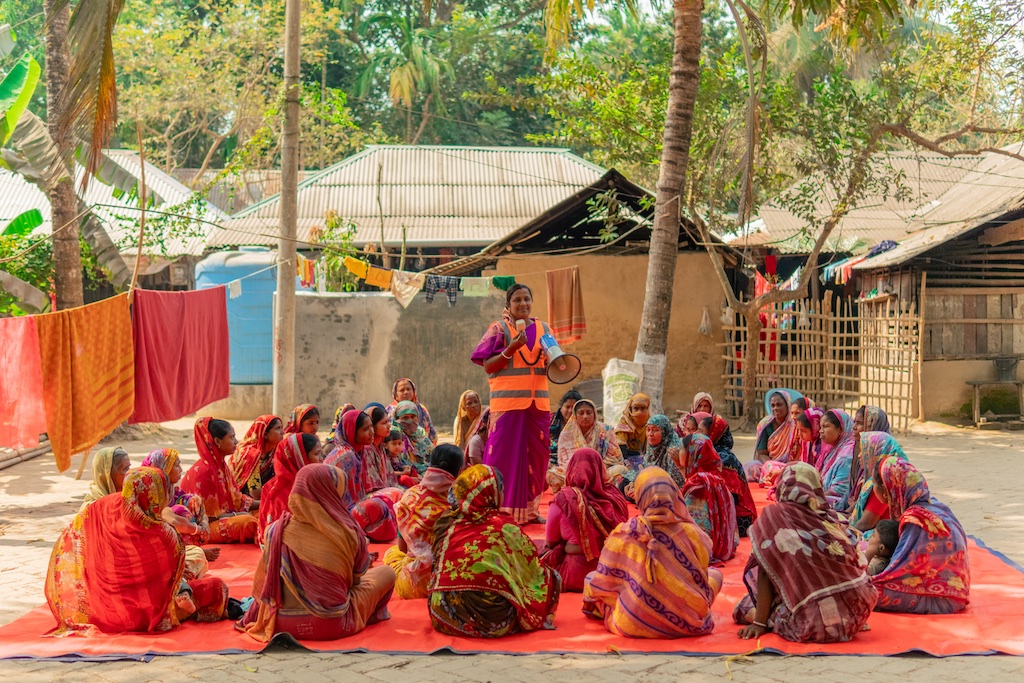
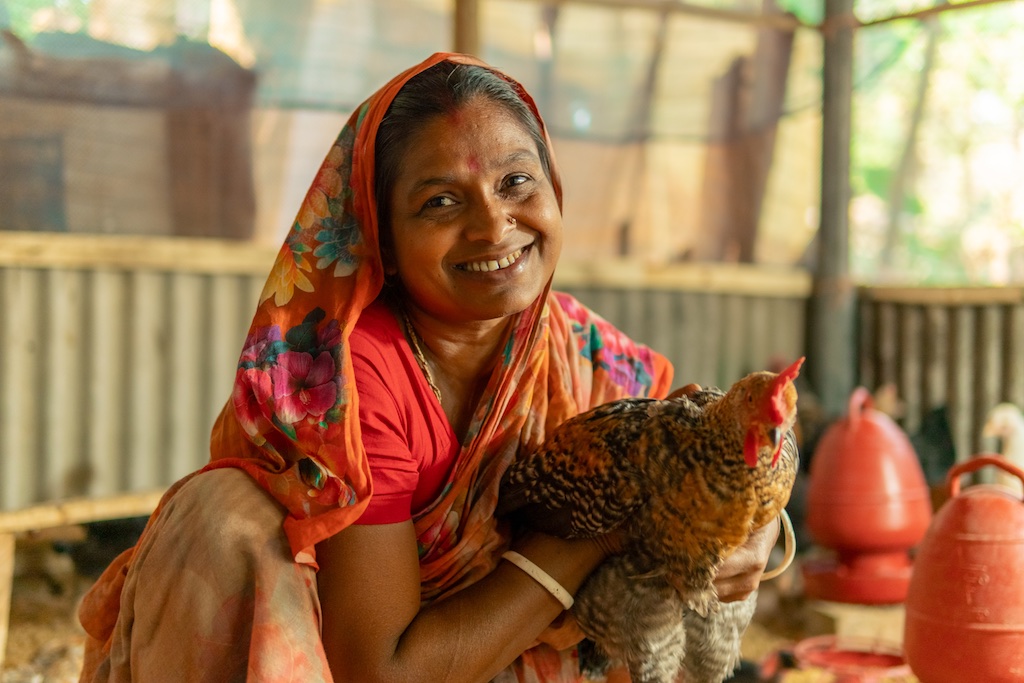
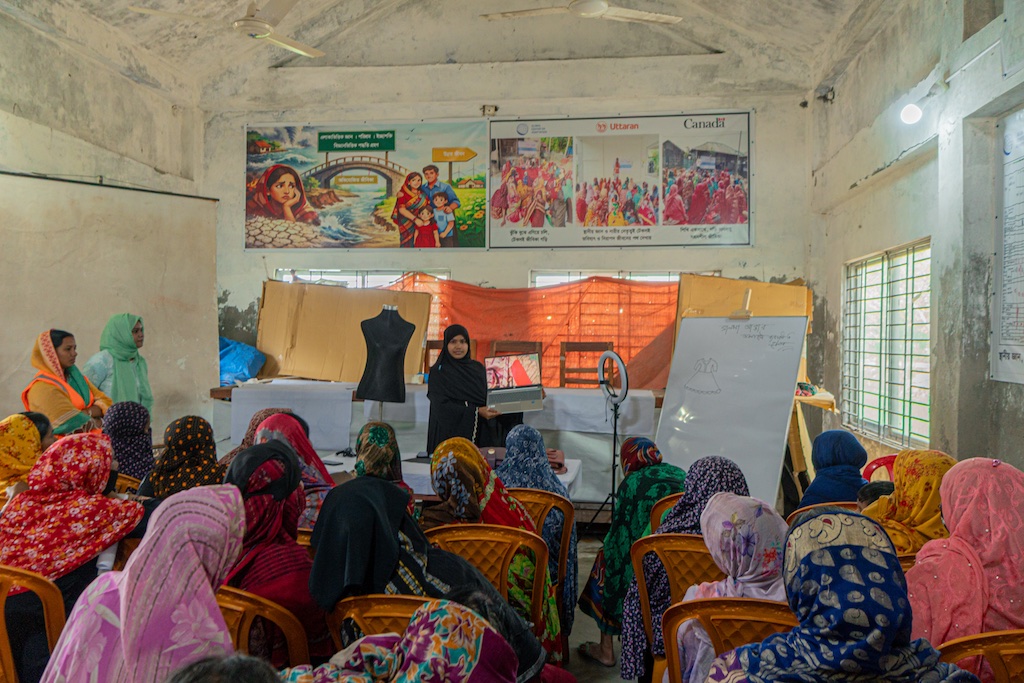
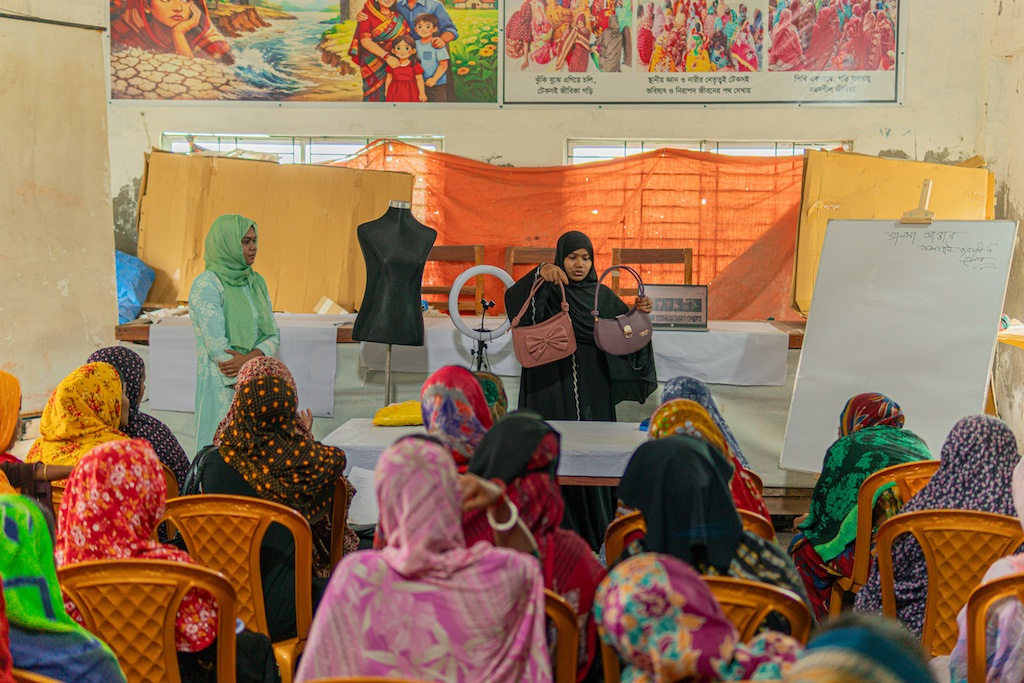
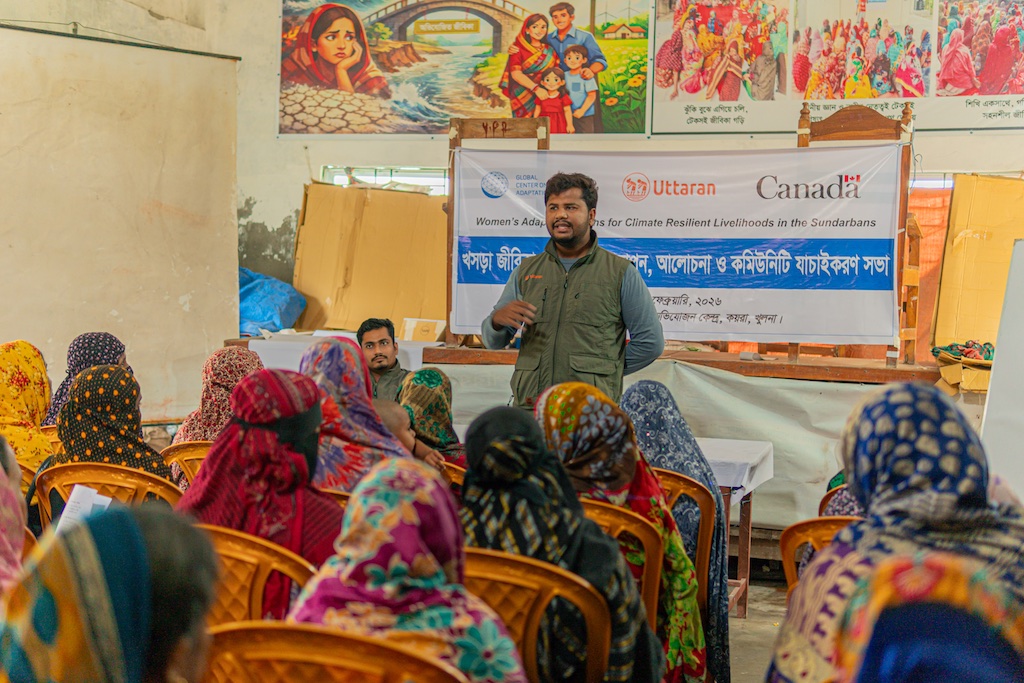
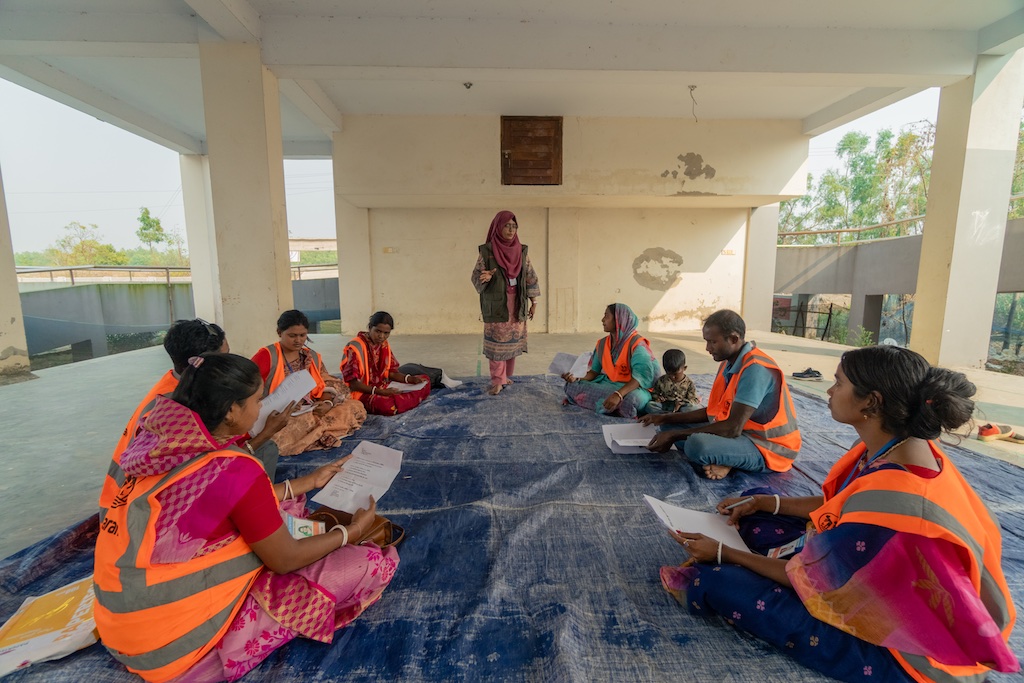
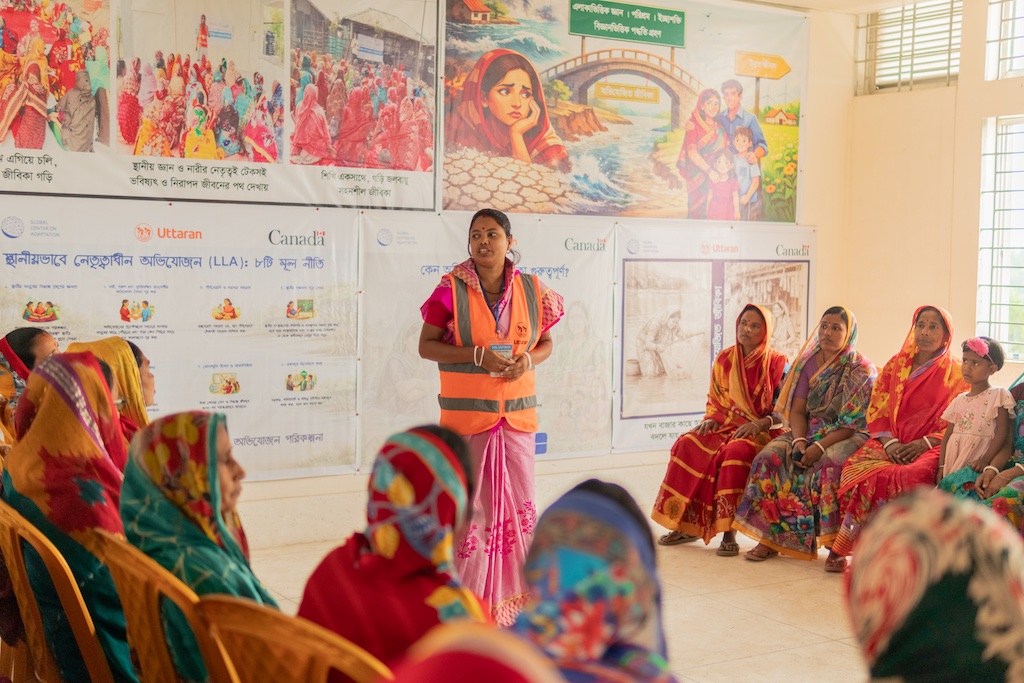
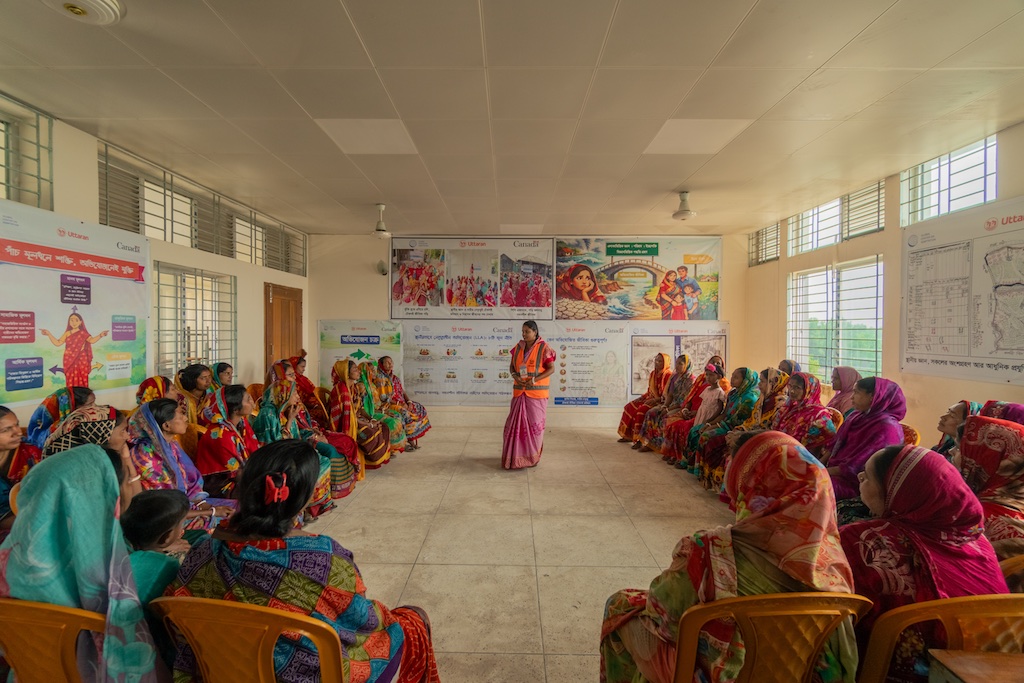
To respond to these challenges, the project introduced a women-centered, system-based adaptation approach, positioning women not as beneficiaries but as active decision-makers. Through Women’s participatory processes, women conducted social and economic assessments, identified livelihood options, and developed structured adaptation and business plans grounded in their local realities.
The approach integrates scientific climate risk analysis, the Five Capitals framework, and market system insights to ensure that livelihood decisions are both environmentally resilient and economically viable. Across three villages, a total of 45 livelihood options were identified and systematically screened, with 14 selected for pilot implementation to demonstrate practical viability.
The project findings highlight that sustainable livelihoods depend not only on production, but on the alignment of systems including access to markets, financial services, infrastructure, and institutional support. By combining community knowledge with scientific analysis and multi-stakeholder engagement, the initiative developed a replicable model for climate-resilient livelihood planning.
Overall, the project demonstrates that locally led, women-driven adaptation is essential for building resilient livelihood systems and provides a scalable framework for integrating such approaches into policy and development practice in the Sundarbans and beyond.
Publications
Documentary
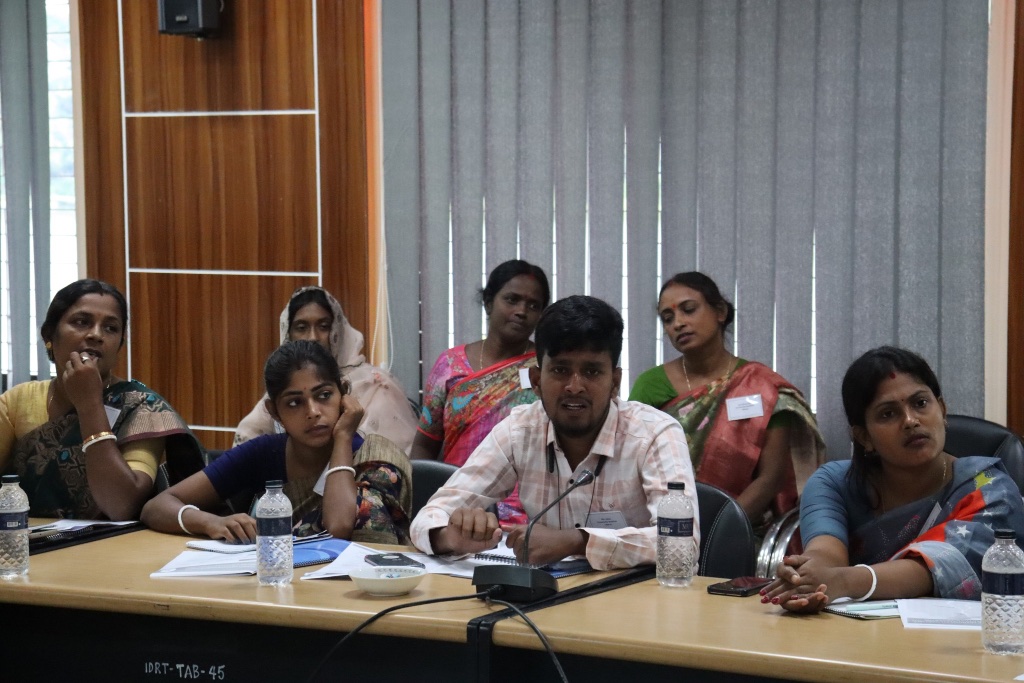
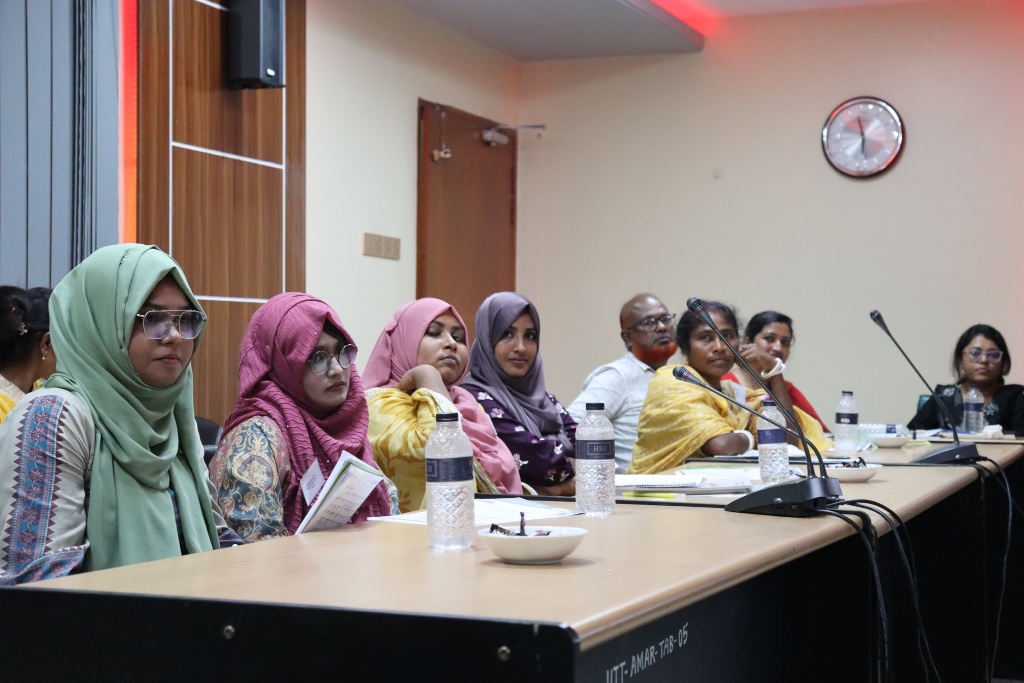
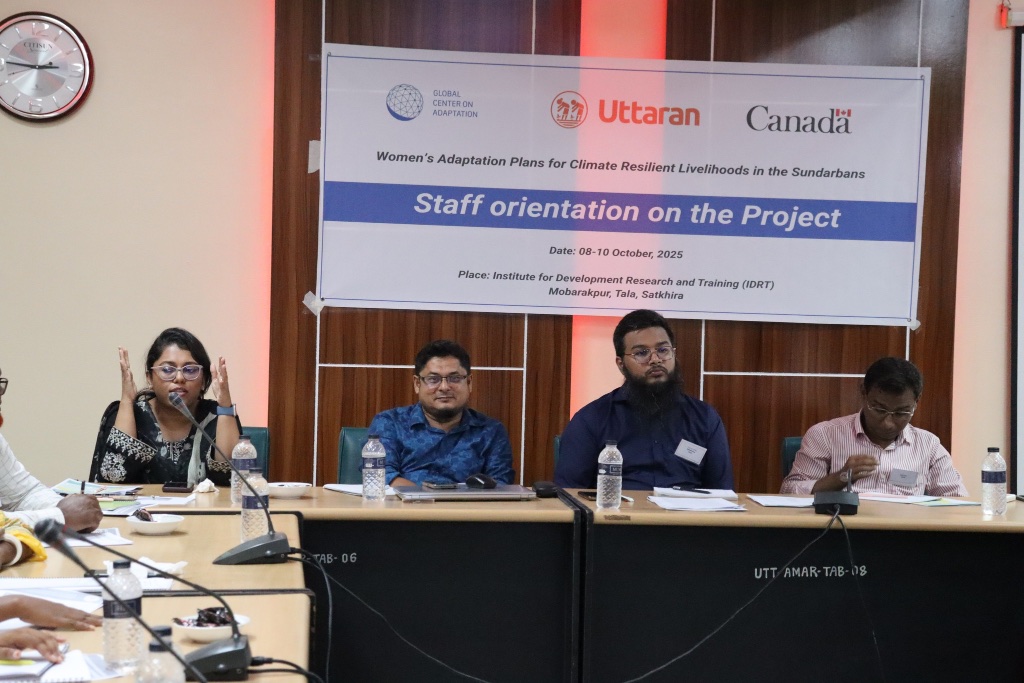
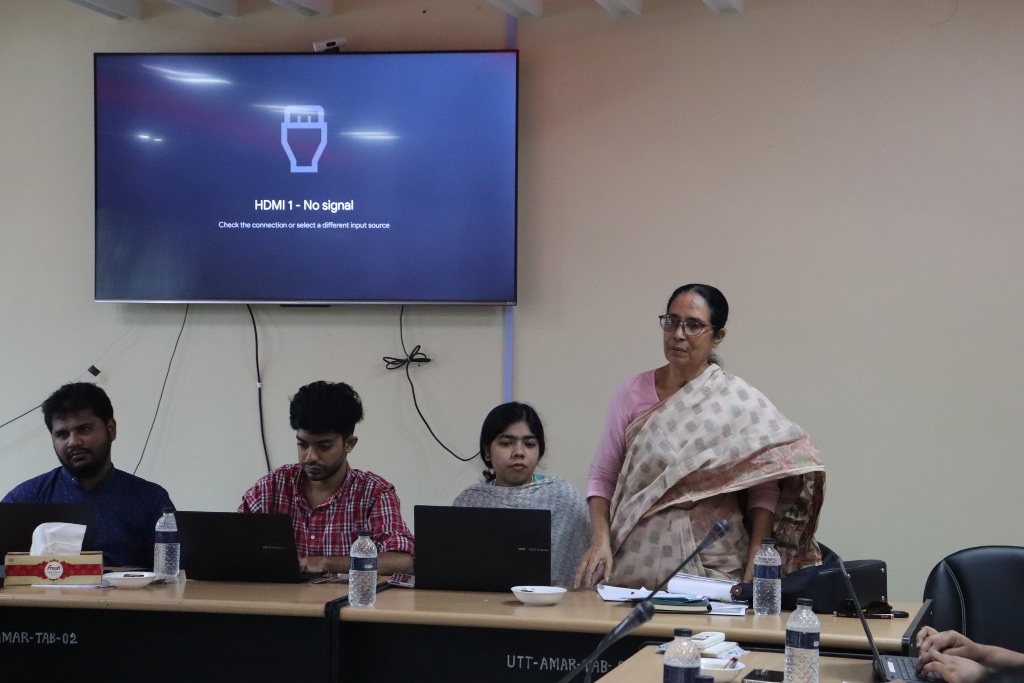
Activities Photos
Donors